Argon Filled Replacement Windows Explained for Homeowners
Argon filled replacement windows are one of the most practical upgrades homeowners can make to improve comfort, energy efficiency, and long-term performance—especially in regions with cold winters and hot summers.
Windows are one of the primary areas where homes lose energy. Even small inefficiencies can add up over time, leading to higher utility bills and uneven indoor temperatures.
If you’ve been researching replacement windows, you’ve likely encountered terms like insulated glass units, Low-E coatings, and gas-filled panes. Argon gas is often mentioned, but its role is rarely explained clearly.

What Are Argon Filled Replacement Windows?
Argon is a naturally occurring, colorless, odorless, and non-toxic gas found in the Earth’s atmosphere. In window manufacturing, it is sealed between panes of glass to improve insulation.
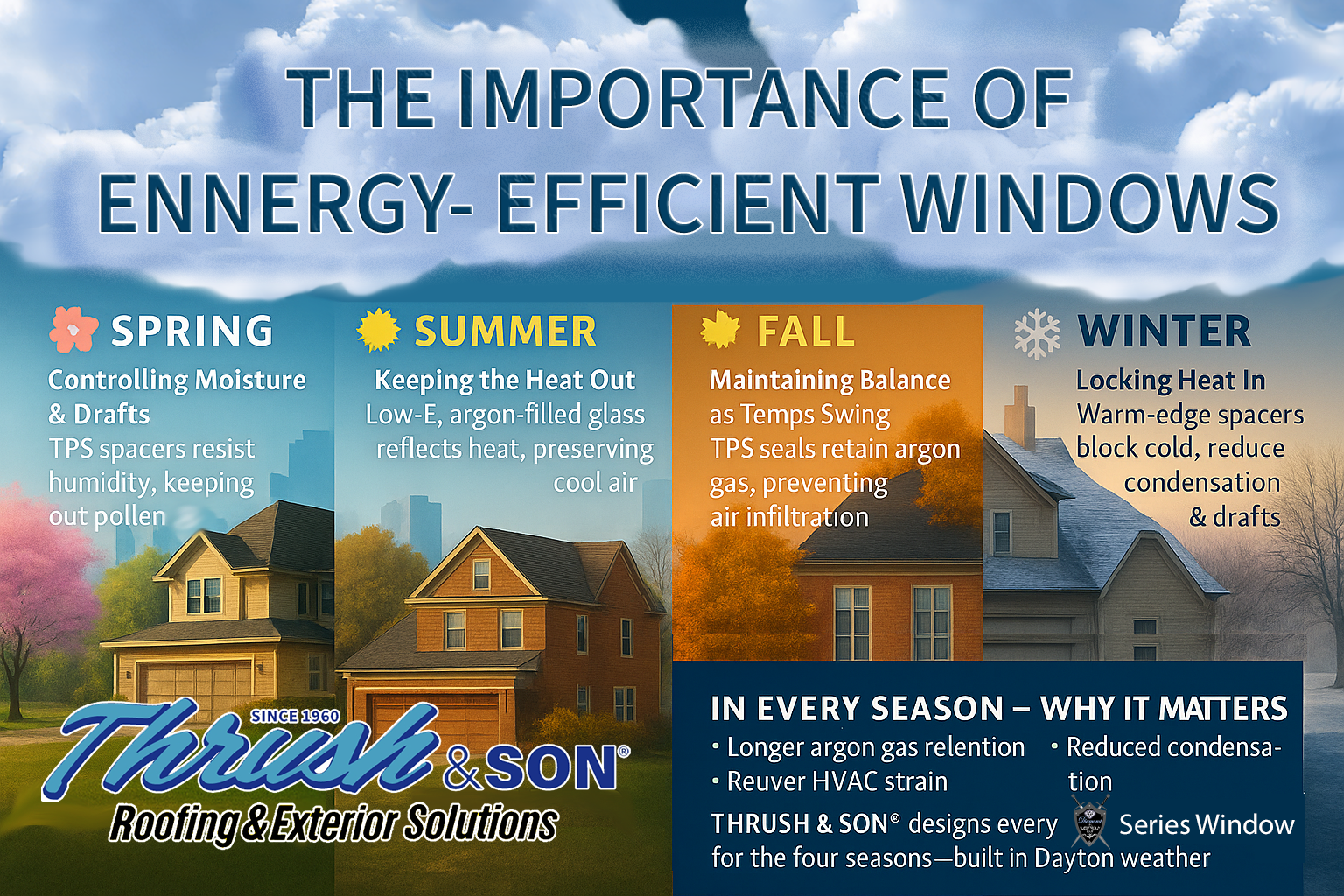
Because argon is denser than ordinary air, it slows the movement of heat through the window. This helps reduce heat loss during winter and limits unwanted heat gain during summer.
Modern insulated glass units are designed to retain argon gas for long-term performance, making it a dependable solution for energy-conscious homeowners.
Why Argon Gas Improves Energy Performance
Heat naturally travels from warm spaces to cooler ones. Windows are one of the most common pathways for that transfer, especially in older homes. Gas-filled window systems help interrupt this process by reducing convection between glass panes. This leads to more stable indoor temperatures and improved overall comfort. According to the U.S. Department of Energy , high-performance windows play a major role in lowering residential energy consumption.

Why Climate Makes Argon Insulation More Valuable
Homes in the Midwest face wide temperature swings throughout the year. Cold winters, humid summers, and frequent weather changes all place stress on a home’s exterior.
Argon-insulated window systems are especially effective in colder climates, where preventing heat loss can significantly impact both comfort and heating costs.
During summer months, these windows also help reduce solar heat gain, allowing cooling systems to operate more efficiently.
Argon Gas vs. Standard Air-Filled Windows
Traditional double-pane windows typically use plain air between glass panes. While this is better than single-pane glass, air allows more heat movement than argon.
Argon gas reduces internal air currents and improves insulation performance, resulting in better temperature control and energy efficiency.
Over time, this difference can lead to lower energy bills and a more comfortable living environment.
How Replacement Windows Support Whole-Home Efficiency

Replacement windows should be viewed as part of a complete home system. Roofing, insulation, ventilation, and exterior materials all work together.
For additional insight into how modern window materials enhance performance, explore our related article: Vinyl Replacement Windows Benefits . Homeowners can also reference ENERGY STAR® window standards
for independent performance benchmarks. General educational content is available from This Old House , which provides non-affiliated home improvement guidance.
Comfort, Efficiency, and Long-Term Value
Choosing argon filled replacement windows is not about chasing trends—it’s about improving daily comfort and long-term efficiency.
When professionally installed and properly sealed, these windows help reduce drafts, quiet outdoor noise, and maintain consistent indoor temperatures.
Understanding how argon gas contributes to window performance allows homeowners to make confident, informed decisions that deliver value for years to come.
Glass Packages: Double vs. Triple Pane, Low-E, Argon & Krypton
Now for the “best bang for your buck” part 💥💰—because yes, there are multiple glass packages and some can be overkill depending on your home and budget.
Most homeowners are choosing between:
Single-pane (older homes) → lowest performance ❌
Double-pane → best value in many Midwest homes ✅
Triple-pane → max comfort + premium efficiency 🏆
Then you layer in performance upgrades:
- Low-E coatings: reflect heat and help protect interiors. DOE notes low-E can reduce UV fading significantly (up to ~75% for furnishings). 🛋️🛡️
- Argon gas: improves insulation between panes (common, cost-effective). ✅
- Krypton gas: higher performance (often used in narrower gaps or premium packages). 🦸♂️
- Warm-edge spacers: reduce heat transfer at the edges and help with condensation performance. 🧊➡️🚫
For a clear, homeowner-friendly overview of how coatings, spacers, and frames work together, this DOE guide is excellent: Guide to Energy-Efficient Windows (DOE PDF)
If you’re comparing styles, finishes, and performance options, our Home Exterior Design Center lets you visualize upgrades before making a decision.

🔗 Stay Connected
➡️ Connect with W. Allen Thrush on LinkedIn for leadership & legacy insights.
➡️ Follow Corey Thrush on LinkedIn for innovation and vision.
➡️ Join our homeowner family on Facebook for real stories.
➡️ Explore behind-the-scenes craftsmanship on Instagram.
➡️ Get pro tips and updates on Twitter (X).
➡️ Visit our LinkedIn Business Page for company news, awards, and opportunities.
Follow along this season for real projects, real craftsmanship, and real advice—built for homeowners who want the job done right the first time. ✅🏡
Leave a Reply