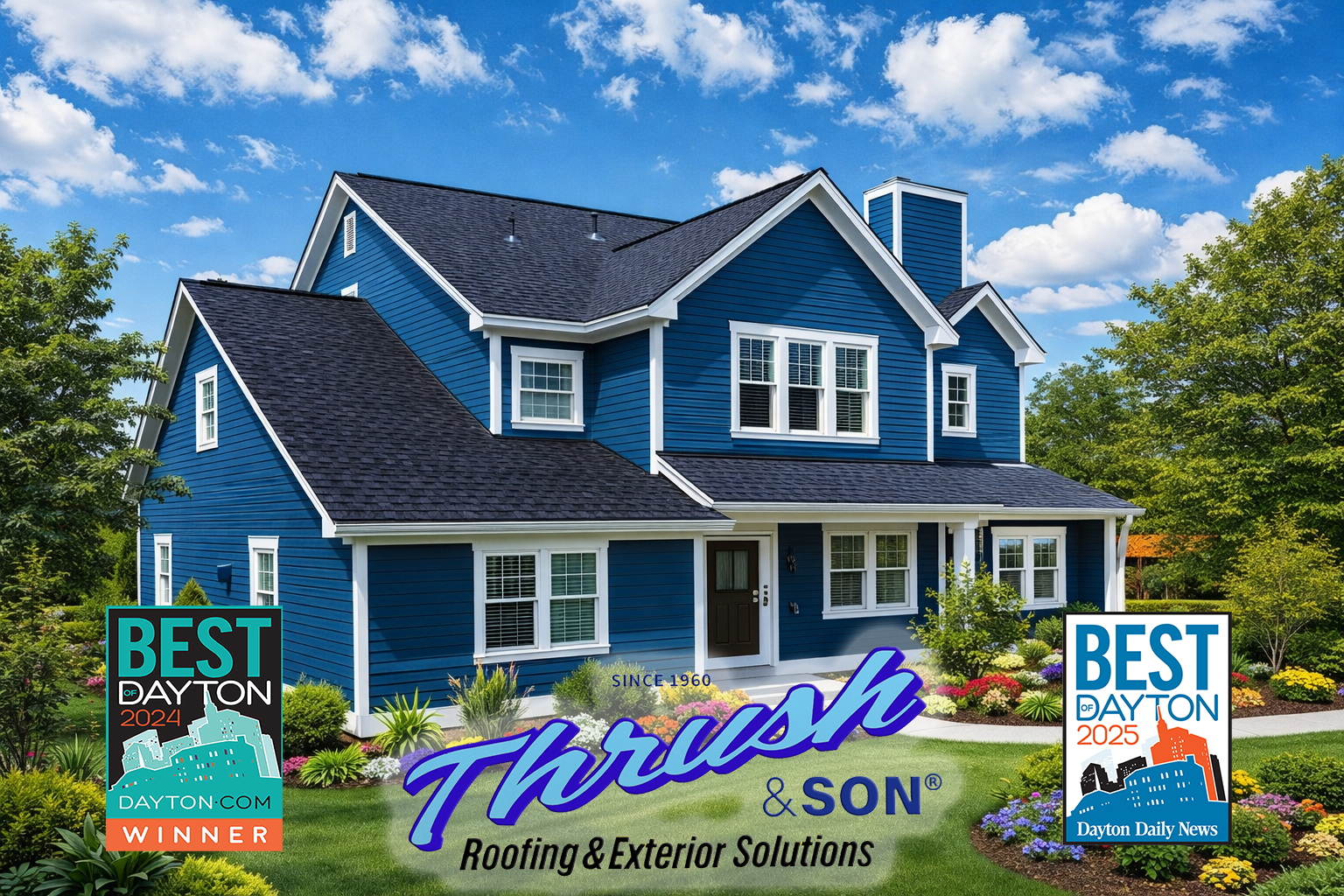
The right siding upgrades change how a house reads from the street faster than almost any other exterior project, because siding covers more of the front of your home than the roof, windows and door combined.
Most people judge siding from three feet away, nose to the panel, looking at grain and color chips. Buyers, neighbors and anyone driving past judge it from the curb. At that distance, texture disappears. What’s left is shadow lines, material breaks, trim and contrast.
So this guide stands where the street stands. You’ll learn which moves read at 30 feet, where to mix materials, when a wall should turn vertical, and how to make the siding you already have look sharper before you spend a dime on new panels.

Judge siding from the curb, not the sample board. Use two or three materials at most, change them where the wall changes, widen the trim, and clean what you have by the manufacturer’s rules before you replace anything.
What’s In This Guide
Run the 30-Foot Test Before Any Siding Upgrades
Walk across the street, or to the far edge of your driveway, and take a photo with your phone. Then look at it small, the way a buyer scrolling a listing would. Four things decide what you see, and every siding upgrade worth paying for changes at least one of them. Siding upgrades that miss all four are hard to spot.
Shadow Lines
Each lap of siding casts a thin shadow. The spacing and depth of those lines set the rhythm of the whole wall.
Material Breaks
Where one material stops and another starts, the eye stops too. A good break makes the house look designed.
Trim Frames
Corner boards and window trim outline the shape of the house. Thin trim fades; wide trim draws the edges.
Wood Grain
Embossed grain matters up close and on the patio. From the curb it blends into the color and shadow.
That photo is your baseline. Every one of the siding upgrades below should make that small image look different. If a change only shows up when you’re standing on the porch, it’s a comfort choice, not a curb appeal choice.
Mix Materials Where the Wall Changes
The most visible siding upgrades rarely replace one material with another. They add a second or third texture in the right spot. Four combinations show up on well-composed facades again and again:
- Shakes in the gables. A shake or scallop profile in the triangle above the main roof line draws the eye up and gives a plain gable a finished look.
- Board and batten on one section. A garage bay, a dormer or a bump-out in vertical board and batten adds a farmhouse note without taking over.
- A stone or brick base. A knee-high wainscot of stone veneer anchors the house to the ground and gives the eye a heavy, finished base.
- One accent wall at the entry. A darker color or a vertical panel on the wall around the front door tells visitors where to go.
The rule that keeps it from looking busy: two or three materials on one facade, and each change happens where the house itself changes. Our exterior styling guide covers which finishing details suit Colonial, Craftsman and farmhouse homes.

Where to break: on siding upgrades that mix materials, change materials at an inside corner, a horizontal band board, the roof line or the edge of a bump-out. Avoid stopping a material in the middle of a flat wall or on an outside corner, where the cut edge is the first thing the street sees.
Orientation, Exposure and Trim Width

Orientation. Horizontal lap siding makes a house look wider and calmer. Vertical panels make a wall look taller and more modern. Used on one section, like an entry wall or a gable, vertical siding adds contrast without changing the character of the house, which makes it one of the easier siding upgrades to live with.
Exposure. Exposure is how much of each course shows. Narrow exposures mean more shadow lines per wall, which reads as traditional and detailed. Wider exposures mean fewer, deeper lines, which reads as cleaner and more contemporary. If you want to compare actual panel profiles, see our guide to types of vinyl siding.
Trim width. This is the quietest of all siding upgrades and often the one people notice most. Wider corner posts and window surrounds give each panel a frame, and a contrasting trim color makes the frame read from the street.
| Move | What the street sees | Where it fits |
|---|---|---|
| Shakes in the gable | Texture up high, eye drawn to the roof line | Front-facing gables, Craftsman and Cape Cod homes |
| Board and batten section | Vertical rhythm on one block | Garage bays, dormers, farmhouse looks |
| Stone wainscot | A heavy base that grounds the house | Ranches and two-stories with tall, plain walls |
| Wider trim | Crisp edges around every opening | Almost any house with thin original trim |
| Vertical entry wall | A clear focal point at the door | Modern and transitional homes |
Build a Facade, Watch the Curb Score
Start with a plain lap-sided house, then tick the siding upgrades you’re considering. The facade changes and the curb score climbs. Try them one at a time to see which move does the most work on its own.
- One material, one color, thin trim. Fine, but forgettable.
- The gable now has texture, so the eye travels up.
- The wing reads as its own block instead of more of the same.
- The base looks heavier, so the house sits on the ground.
- Every opening has a frame; edges look sharp in photos.
- The door has a focal wall that guides visitors in.
The score is a teaching tool, not a formula. On real siding upgrades, three well-placed moves usually beat five, because the street needs a resting place between accents.
How Far Siding Upgrades Carry at Resale
The National Association of Realtors Remodeling Impact Report, produced with the remodeling industry, gives each project a Joy Score from 1 to 10 based on how homeowners felt once the work was done. New siding scored 7.5. Painting exterior siding scored 8.8.
That second number is a hint. A fresh coat or a deep clean on sound siding feels like a big change for a modest spend. Full siding upgrades make the most sense when the panels are faded, damaged or near the end of their life, so you get a new look and a new wall at the same time.
The same report’s cost-recovery list is led by a new steel front door at an estimated 100%. Pair siding upgrades with the entry, and the part of the facade buyers photograph first gets attention twice.
How to Make Existing Siding Look Better
Not every house needs new panels to pass the 30-foot test. These steps cost far less than siding upgrades and often buy years of good looks.
- Clean it the right way. The Polymeric Exterior Products Association suggests a soft cloth or soft brush, working from the bottom up to prevent streaks.
- Respect the pressure washer rules. Hold it level, never aimed upward, and check the siding maker’s instructions; some don’t allow power washing at all.
- Repaint the trim. Fresh, contrasting trim color sharpens the frame. In homes built before 1978, the U.S. EPA lead rules cover paid work disturbing over 20 square feet outside.
- Size the shutters. Each shutter should look as if it could close and cover half the window. Undersized shutters read as stickers from the street.
- Swap the small hardware. House numbers, light fixtures and the mailbox sit on the siding and change how it reads.
- Fix the color story. If siding, trim and roof all fight, start with the roof. Our roof color ideas show how the three work together.
Siding Moves That Backfire From the Curb
Most of these mistakes come from siding upgrades planned at the sample board instead of the street.
- Four or more materials on one face. The street sees clutter, not detail.
- A material change on a flat outside corner. The cut edge becomes the focal point.
- Two colors that are almost the same. A near-match looks like a mistake; contrast should be clear or absent.
- Thin trim with wide, modern panels. The edges disappear and the wall looks unfinished.
- Pressure washing upward. It can drive water behind the panels, so cleaning ends up hurting the wall.
The Takeaway Worth Sharing
Judge your siding upgrades from the curb. Two or three materials, breaks where the house changes and trim wide enough to see do more than any single panel.
Send this to the neighbor who keeps staring at your gables.
Ready to See It on Your House? Let’s Walk the Curb

Thrush & Son®: family-owned exterior pros since 1960.
If you’re in the Miami Valley and planning siding upgrades, read the Thrush & Son® guide to enhancing curb appeal with siding, then book a curbside walk-through and estimate.
➡️ Schedule in Dayton➡️ View All ServicesCall (937) 833-5136 · 115 Jefferson St, Brookville, OH 45309
- GAF President’s Club Contractor
- Best of Dayton 2024 Winner · 2025 and 2026 Finalist
- BBB Accredited A+
Further Reading
Official sources: the National Association of Realtors, the U.S. EPA and the Polymeric Exterior Products Association.
Siding Upgrades FAQ
Which siding upgrades add the most curb appeal?
The moves that read from the street: an accent material in the gables, a stone or brick base, wider trim and one focal wall at the entry. Two or three of them usually do more than five.
How many siding materials should one facade have?
Two or three. Change materials where the house changes, such as the roof line, an inside corner or a bump-out, so each break looks planned.
Is vertical or horizontal siding better for curb appeal?
Neither wins everywhere. Horizontal lap siding looks wider and calmer, while vertical panels look taller and more modern. Many homes use horizontal on the main walls and vertical on one accent section.
How can I make old siding look better without replacing it?
Clean it with a soft brush from the bottom up, repaint the trim in a contrasting color, size the shutters to the windows and update the house numbers and light fixtures.
Do siding upgrades pay off when I sell?
In the NAR Remodeling Impact Report, new siding earned a Joy Score of 7.5 out of 10 and painting exterior siding earned 8.8, so both rank well with homeowners. Pairing siding with a new front door targets the part of the house buyers see first.
Written by Corey Thrush, Vice President and third generation of Thrush & Son®.
Leave a Reply